
2026-09-08 · Mike Thompson
Hidden Pipe Leaks: The #1 Cause of Water Damage Spokane Homeowners Miss
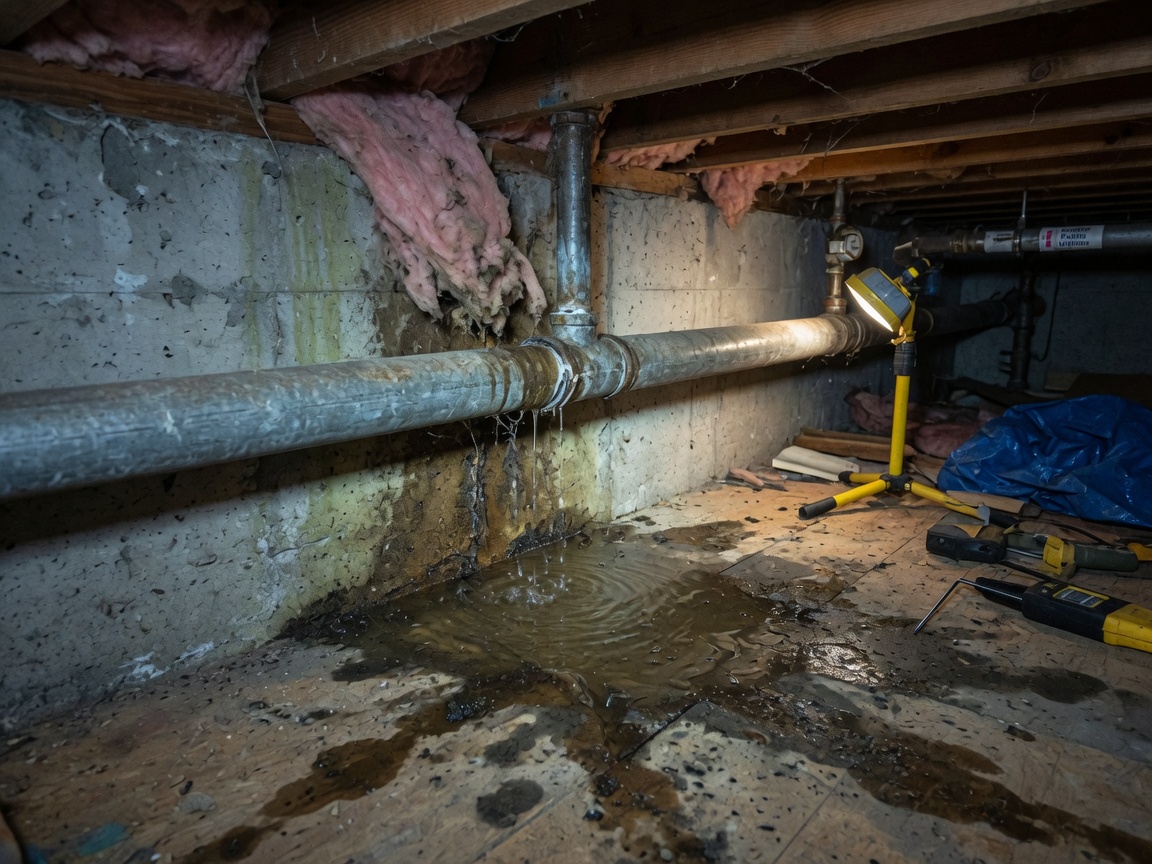
Hidden pipe leaks cause the majority of water damage restoration jobs across Spokane homes built before 1970, often staying hidden until floors buckle or ceilings stain in neighborhoods such as North Side and Five Mile Prairie.
Aging Plumbing in Spokane's Older Neighborhoods
Many homes in Emerson-Garfield, Brownes Addition, and Lincoln Heights still rely on galvanized steel or early copper lines installed 50 to 80 years ago. These pipes develop pinhole leaks at joints where dissimilar metals meet or where water velocity has eroded the interior. In Spokane County the typical single-story ranch or two-story craftsman has crawl spaces or basements that hide moisture until it reaches finished surfaces. Once a leak starts, it can saturate insulation and subflooring for weeks before any visible sign appears on the main level. Homeowners in these areas often notice musty odors first, then see warped baseboards along exterior walls. Because many of these houses sit on older lots with mature landscaping, exterior hose bibs and irrigation lines also contribute to hidden interior seepage when they crack near the foundation. Regular visual checks under sinks and behind water heaters catch some issues, yet the majority require moisture meters or thermal imaging to locate before drywall must be opened.
Impact of Local Weather Patterns on Pipes
Spokane winters bring repeated freeze-thaw cycles that stress supply lines running through unheated attics and exterior walls. Nighttime lows often drop below 20 degrees while daytime highs climb above freezing, causing pipes to expand and contract daily. In North Hill and Country Homes, homes with poor attic insulation see supply lines freeze solid for hours, then thaw and leak at weak fittings. Spring snow melt adds hydrostatic pressure against foundations in Latah Valley and Moran Prairie, forcing water through any existing pipe penetrations. These seasonal swings shorten the life of older plumbing by accelerating corrosion at every joint. Homeowners who shut off exterior water in October and drain hose bibs reduce risk, yet interior lines in exterior walls remain vulnerable without additional insulation or heat tape. The combination of age and climate makes hidden leaks far more common here than in milder regions.
Detecting Leaks Before They Escalate
Watch for unexplained increases in the monthly water bill of 20 percent or more, especially during winter months when outdoor use drops. Listen for running water sounds when all fixtures are off, particularly near the water heater or in utility rooms common to Spokane ranch homes. Check for soft spots in carpet or hardwood near bathrooms and laundry rooms, then look for discoloration on ceilings below second-floor baths. In homes with slab foundations in areas like Opportunity and Dishman, warm spots on tile floors can indicate a slab leak underfoot. Use a moisture meter on baseboards and drywall corners; readings above 15 percent warrant further inspection. Thermal cameras reveal temperature differences along pipe routes even when walls appear dry. These steps help catch problems while they remain small enough to avoid full water damage restoration later.
Professional Assessment and Restoration Steps
When signs point to a hidden leak, a targeted inspection using moisture mapping locates the source without unnecessary demolition. Technicians isolate the affected section, shut off water at the main, and document moisture levels in adjacent rooms. In Spokane's older stock this often means opening small access points in crawl spaces or ceilings rather than tearing out entire walls. Once the leak is repaired, drying focuses on the specific affected materials using air movers sized to the square footage and dehumidifiers set to maintain 40 percent relative humidity. Hardwood floors in Comstock or Rockwood homes may require selective removal of cupped boards rather than full replacement. Follow-up moisture readings confirm levels return to normal before any reconstruction begins. Homeowners who schedule this assessment early typically limit affected area to one or two rooms instead of an entire level.
When to Schedule an Inspection
If your Spokane home shows any of the signs above, contact a local team familiar with the housing stock and weather patterns. Technicians based at 101 E Hastings Rd respond during business hours and can perform on-site testing the same day in most North Side and Five Mile Prairie cases. Early intervention keeps costs closer to the lower end of typical Spokane repair ranges and prevents secondary issues such as mold growth behind cabinets. Review the typical costs for water damage restoration in Spokane homes to understand what factors influence pricing once the leak source is confirmed and drying begins.