
2026-08-16 · Mike Thompson
How to Prevent Frozen Pipe Bursts During Spokane Winters
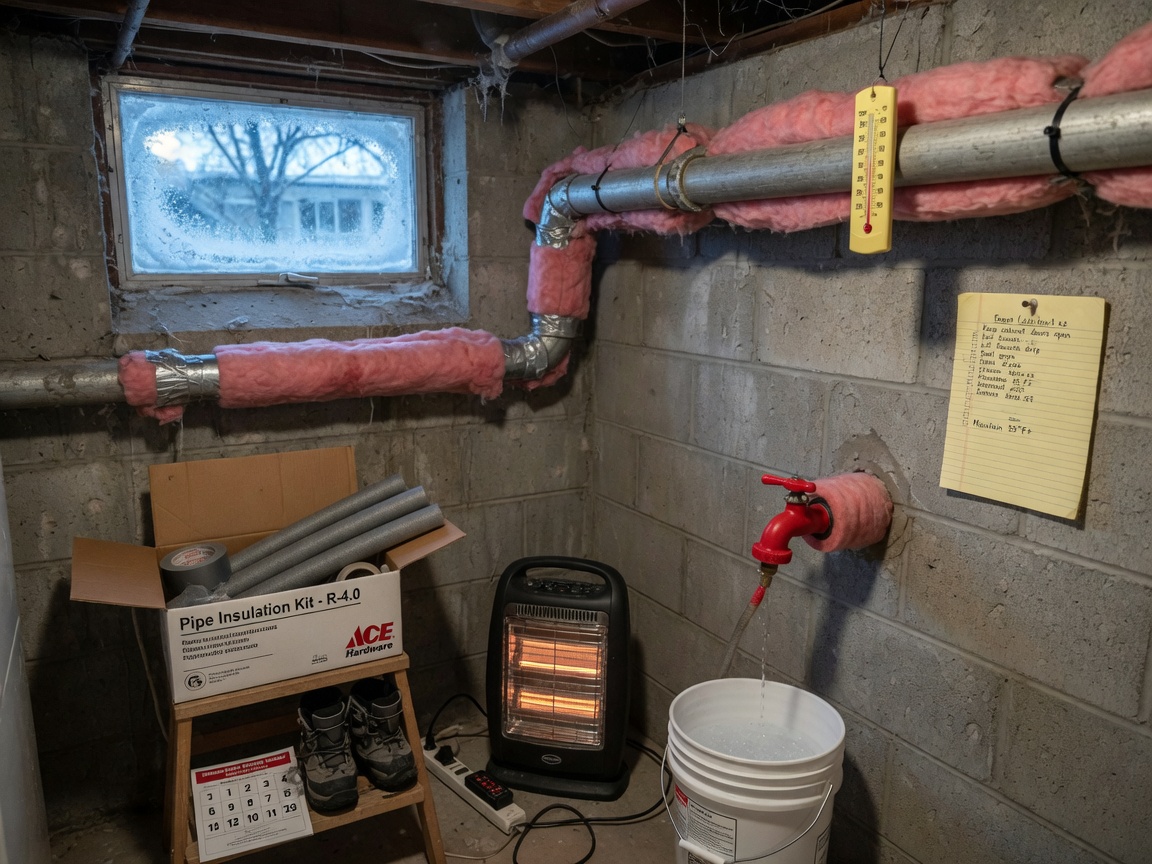
To prevent frozen pipe bursts during Spokane winters, insulate all exposed lines, maintain indoor temperatures above 55°F in unheated spaces, and fully drain outdoor hoses before the first hard freeze arrives. These actions address the main causes of bursts in the Spokane area where nights often drop well below 20°F for weeks at a time. Consistent application reduces the chance of ice expansion splitting copper or PEX lines.
Insulate Exposed Pipes in Unheated Areas
Focus first on pipes in crawl spaces, attics, and exterior walls common in Spokane homes. Use foam pipe sleeves rated for at least R-3 insulation or wrap with heat tape controlled by a thermostat. Pay special attention to pipes running along north-facing walls and under kitchen sinks where cold air infiltrates. Check every joint and valve because these spots lose heat fastest. Replace any cracked or missing insulation before November. In older Spokane neighborhoods like Browne's Addition and Comstock, many homes still have original uninsulated lines that need immediate attention. This step alone stops most overnight freezes when temperatures stay below 25°F for more than six hours.
Maintain Consistent Indoor Temperatures
Never let the thermostat drop below 55°F when you leave the house during cold snaps. Spokane winters often feature multi-day stretches below freezing, so set a minimum of 60°F in areas with plumbing. Open cabinet doors under sinks to allow warm air to circulate around pipes. If you have a vacant property or travel, install a smart thermostat that alerts you to drops. Avoid closing off rooms with pipes because trapped cold air accelerates freezing. These habits keep water moving and reduce pressure buildup that leads to bursts. Homeowners in Five Mile Prairie and North Indian Trail report fewer issues when they follow this temperature rule during January cold fronts.
Drain and Protect Outdoor Plumbing
Disconnect garden hoses and drain exterior spigots before the first freeze, usually by mid-October in the Spokane area. Install insulated covers on hose bibs and shut off interior valves that feed them. Empty and store any above-ground irrigation components. For homes with sprinkler systems, blow out lines with compressed air rather than relying on gravity alone. These steps eliminate standing water that expands and cracks fittings. Neglecting outdoor lines accounts for many spring water damage calls after snow melt begins. Proper winterizing prevents the need for burst pipe repair when temperatures rise again.
Perform Seasonal Plumbing Inspections
Walk through your home each October and look for signs of previous leaks or weak joints. Test shut-off valves and note any slow drains that could indicate partial blockages. In Spokane's older stock, galvanized pipes from the 1970s often show corrosion that makes them brittle in cold weather. Consider adding a whole-house water leak detector if you have finished basements. These checks catch problems before ice forms. Readers who want cost context can review typical costs for water damage restoration in Spokane homes to understand why prevention matters. Consistent inspections keep systems reliable through repeated freeze-thaw cycles.