
2026-08-16 · Mike Thompson
How to Spot and Fix Basement Leaks Common in Spokane's Clay Soil
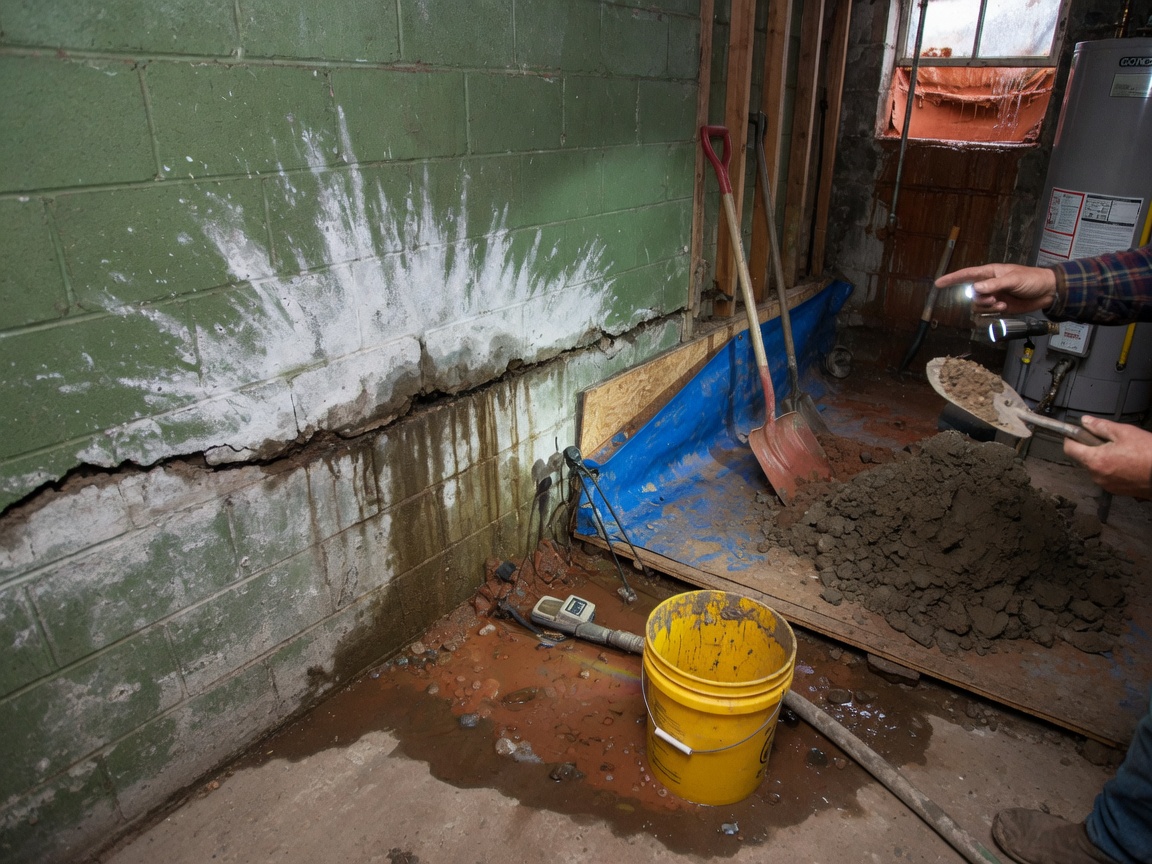
Spokane homeowners often see basement leaks within 3–7 years after a home is built when clay soil around the foundation moves. The first step is to check for horizontal cracks at the 4–6 foot level on walls and water stains along the floor joint during spring snow melt.
Spotting Early Signs of Leaks Caused by Clay Soil
Walk the perimeter inside the basement after heavy rain or spring thaw and look for damp spots that appear within 24 hours. Measure any crack wider than 1/8 inch with a ruler and mark the ends with tape so you can track movement over 30 days. Clay soil in the Spokane area holds water against the wall longer than sandy soils, so even small seepage can push moisture 2–3 feet inward across the slab. Check for musty odors near the northeast corner of older homes where drainage slopes toward the foundation. Note any white mineral deposits on the wall, which indicate repeated wetting and drying cycles common after winter freeze-thaw.
Use a moisture meter on drywall 12 inches above the floor; readings above 15 percent signal ongoing intrusion from soil pressure. In neighborhoods like Five Mile Prairie and North Indian Trail, many basements built on glacial till show stair-step cracks in block foundations that widen each spring. Document photos with dates so a later inspection can compare progression.
How Clay Soil Movement Creates Cracks in Spokane Foundations
Clay particles in Spokane expand up to 30 percent when saturated, exerting lateral pressure that exceeds 2,000 pounds per square foot on foundation walls. During dry summer months the soil contracts and pulls away, allowing surface water from the next rain to enter the gap. This cycle repeats 4–6 times per year and is most active in areas with poor downspout extensions shorter than 5 feet. Homes on slopes in the Latah Valley and South Hill see faster movement because gravity adds to the soil load. Older homes without exterior waterproofing membranes experience leaks first at cold joints where the footing meets the wall.
Local crews measure soil moisture at 18–24 inches depth during inspections to confirm clay expansion is the driver rather than a plumbing leak. When soil stays above 25 percent moisture for more than two weeks, hydrostatic pressure forces water through any existing hairline crack.
Step-by-Step Temporary and Permanent Fixes
Start with exterior grading so the ground slopes 6 inches away from the foundation over the first 10 feet. Extend downspouts with 4-inch rigid pipe to discharge at least 6 feet from the wall. Inside, apply hydraulic cement to active leaks; the material sets in 3–5 minutes even while water is flowing. For cracks that move seasonally, install 1/4-inch injection ports every 12 inches and fill with polyurethane foam that remains flexible. When water enters through the floor-wall joint, a perimeter drain channel cut into the slab and connected to a sump pump removes 1,500–3,000 gallons per day before it reaches living space.
Permanent exterior repair involves excavating to the footing, applying a dimple membrane, and installing 4-inch drain tile with cleanouts every 50 feet. Backfill with washed gravel rather than native clay to reduce future pressure. These steps typically last 15–20 years when installed correctly.
When Professional Water Damage Inspection Is Needed
If cracks exceed 1/4 inch, walls bow more than 1 inch, or water rises above the slab more than once per season, schedule a water damage inspection. Technicians use infrared cameras and pin meters to map hidden moisture behind finished walls before mold develops. Early intervention prevents the need for basement water damage cleanup that can involve removing 2–4 inches of saturated drywall and treating 200–400 square feet of flooring. Homeowners in Spokane who track crack movement for one full year before repairs avoid unnecessary excavation costs that average higher when soil is still saturated.